How Men Cope With Divorce: What Actually Helps (and What Makes It Worse)
Feb 08, 2026
Divorce hits men differently than most people expect, and it rarely looks like what you'd picture from a movie.
Most men don't fall apart in obvious ways. They keep going to work. They keep showing up for their kids. They keep it together in front of everyone who's watching. Then the weight shows up somewhere quieter: bad sleep, drinking a little more than usual, a short fuse, pulling away from friends, spending money that doesn't need to be spent, or a low hum of stress that makes even small tasks feel heavier than they should.
This is a practical guide to how men actually cope with divorce. Not the version where you're told to just be strong. Not the version where everyone assumes you should be falling apart and gets confused when you're not. Just the real patterns that help, and the ones that quietly make things worse the longer they run.
Important: This is educational, not medical or mental health advice. If you’re struggling with depression, substance use, or thoughts of self-harm, talk to a licensed professional and reach out to local emergency services or a crisis line in your area.
Why coping is harder than it looks
For a lot of men, divorce hits three things at once, and it's the combination that makes it so disorienting.
You lose structure. Your routine changes, your home changes, and the role you've occupied for years, husband, quietly becomes something else overnight.
You lose a sense of control. Court timelines, lawyers, finances, and negotiations can make your own future feel like it's sitting in someone else's hands.
You lose social support, or at least the kind that can hold a real conversation about divorce without getting awkward, judgmental, or turning political.
So men cope the way they've learned to handle pressure their whole lives. Get busy, get quiet, and try to push through it.
That works for a few weeks. It was never built to be a long-term plan.
One thing worth sitting with here, something a man named Bryce described in his own recovery: he made his wife his everything, his best friend, his therapist, and his life coach, all at once. When that structure disappeared, so did nearly every outlet he had. That's not a flaw unique to him. It's just what happens when one relationship quietly absorbs every job a support system is supposed to share.
The Coping Styles Many Men Fall into
Here are the patterns that show up again and again. These are common patterns, not a diagnosis. You might see yourself in one clearly, a mix of two, or none of them at all, and that's fine too.
The worker. You bury yourself in work to avoid feelings and decisions. Your productivity holds steady while your personal life quietly falls apart in the background.
Cost: burnout, worse negotiating decisions, and missed time with your kids that you don't get back.
The isolator. You pull inward. Calls go unanswered. You stop showing up to the things you used to show up for.
Cost: deeper depression, endless rumination, and weaker decision-making, since isolation strips away the outside perspective that usually catches your blind spots.
The fighter. You cope by arguing, defending, proving your side of the story in every conversation you can find.
Cost: higher legal fees, damaged relationships, and outcomes that tend to get worse the more you escalate.
The numb-out. Alcohol, weed, porn, gambling, hours of scrolling. Anything that shuts your brain off at night.
Cost: your sleep, your motivation, your impulse control, and in some cases, real risk to your custody position.
The rebounder. You try to prove to yourself and everyone else that you're fine by jumping straight into dating.
Cost: emotional whiplash, expensive mistakes, and conflict that escalates faster than you expected.
Here's the real point underneath all of it. Coping was never really about feeling better in the moment. It's about building enough stability that you can make good decisions while everything around you is shifting.
If you want a structured framework for the decisions that protect your finances, your time, and your future:
Divorce Like a Man eBook
Get the Divorce Like a Man eBookWhat Helps Men Cope with Divorce
Coping improves when you build three layers underneath you, in roughly this order.
- Stability, your body and your routine
- Support, your people and your outlets
- Strategy, your decisions and your documentation
One divorced executive featured in the Divorce Like a Man book, Bryce, built what he called his Five Fundamentals: a short daily checklist he reminded himself of every single day, because he knew that if any one of them slipped, everything else started slipping with it. Sleep, movement, nutrition, some kind of mindfulness or grounding practice, and intentional connection with another person. It's a simple list. It's also the backbone of everything below.
Layer 1: Stability
This sounds almost too simple, but it's genuinely where everything starts.
Sleep is non negotiable. Bad sleep makes you reactive, and reactive men send the texts they regret, pick fights that didn't need to happen, and agree to terms they can't actually live with. Aim for a real minimum, something close to seven hours, with a consistent bedtime and wake time. Skip the alcohol as a sleep aid, since it wrecks your sleep quality even when it knocks you out faster. Get screens off thirty to sixty minutes before bed when you can manage it. If your sleep is genuinely wrecked, talk to a doctor rather than white knuckling it for months.
Eat like someone who needs energy, not comfort. Divorce tends to push men toward one of two extremes: skipping meals entirely, or comfort eating anything with sugar and salt in it. Both leave you feeling worse. A simple standard that works for most men: protein, water, and at least one real meal a day, even on the days you don't feel like eating.
Move your body daily, even on the days you don't want to. This isn't about starting a fitness journey. Think of it as a reset for your nervous system more than anything else. Twenty to thirty minutes of walking, lifting a few times a week, or any routine you can actually stick with counts. Consistency matters far more than intensity here.
Remove the obvious fuel for bad coping. If you're drinking every night or leaning on substances to shut your mind off, that's not coping. It's relief you're borrowing at a steep interest rate, and the bill comes due eventually. If kids are involved, substance use during this period can also become a real legal vulnerability, not just a personal one.
Layer 2: Support
A lot of men struggle to cope simply because they don't have anywhere to process what's happening without judgment.
Choose one real conversation outlet. A therapist, a men's divorce support group, a coach, or a mentor who can actually handle the truth rather than just telling you what you want to hear. What you don't want is the friend whose entire contribution is agreeing that she's crazy. That might feel good for five minutes. It doesn't move you forward.
For a practical guide to finding the right group, read: Divorce Support Groups for Men: How to Find the Right One
Be cautious about leaning on your ex for emotional support. Even on the days she's being kind, the role has changed. Trying to process your grief with the person you're separating from tends to create confusion, conflict, or false hope, none of which actually help you heal.
Keep your social circle from turning into a war room. If every conversation with your friends circles back to what she did, how you should get her back for it, or how rigged the whole system supposedly is, you're not coping, you're stewing. Look for friends who help you build something better instead of friends who just keep the fire going.
Something Bryce did early on is worth borrowing directly: he built what he called a kitchen cabinet, a small, deliberately diverse group of advisors he could bring hard decisions to. A lawyer friend outside family law, a street smart buddy from high school, people of different ages, different politics, some divorced and some not. The point wasn't finding people who'd agree with him. It was making sure no single perspective, including his own in a bad moment, was steering every decision.
Layer 3: Strategy
Men cope noticeably better when the situation around them feels less chaotic, and the fastest way to cut down chaos is organization.
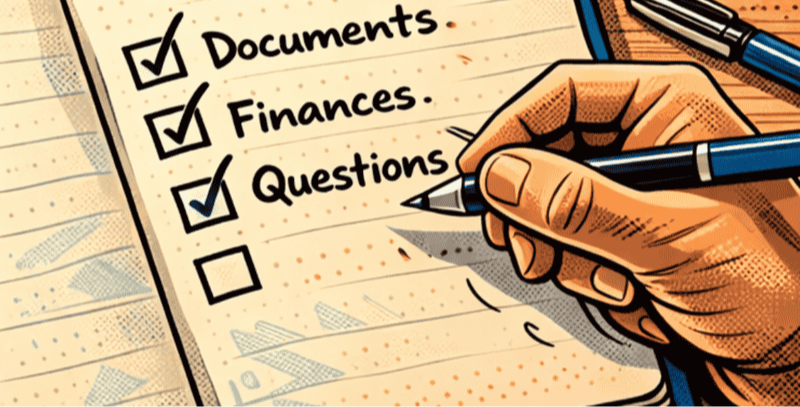
Create a divorce command center. One folder, one running timeline, one list of every account, debt, and obligation. Without this, you'll feel out of control almost by default, and that feeling bleeds directly into how well you're coping day to day.
Start here: How to Prepare for Divorce as a Man (Step-by-Step)
Understand your finances, or anxiety will fill the gap for you. Most of what feels like generalized divorce anxiety is actually money anxiety wearing a disguise. When you don't know what you have, what you owe, what you're spending, or what you can actually afford, your brain fills in the blanks with worst case scenarios, usually late at night when you're least equipped to think clearly.
Use this to get your numbers straight: Divorce Financial Checklist for Men: 15 Moves to Protect Yourself
If you have kids, consistency beats speeches every time. They don't need to hear how hard this is for you. They need routines, reliability, low conflict handoffs, and communication they can predict. Protect your role as their father through steadiness, not through intensity.
The Coping Mistakes that Look Normal But Make Things Worse
These stick around because they feel like relief in the moment. They rarely are.
Mistake 1: Using texting as your emotional outlet. Long messages. Arguments. Explaining yourself. Re-litigating the past one more time. It might feel like closure while you're typing it. What it usually does is create a written record, escalate conflict, and keep you emotionally hooked into a conversation that isn't going anywhere good. If it's emotional, it doesn't belong in writing.
Mistake 2: Making big life moves while you're still unstable. Quitting your job, moving states, starting a business, selling assets on impulse, jumping into a serious relationship fast. None of these are wrong forever. They're just wrong while your life is still actively rearranging itself underneath you.
Mistake 3: Turning divorce into your identity. If "divorced guy" becomes who you are instead of something you're moving through, your coping gets stuck right there with it. You're a man rebuilding a life. Divorce is something you're handling, not the whole of who you are.
Mistake 4: Mistaking anger for strength. Anger feels powerful in the moment. It also burns through a lot of fuel and clouds your judgment right when you need it clearest. Real strength tends to look a lot more boring than anger: doing the next right thing even on the days you don't feel like it.
There's also something worth knowing that almost nobody tells men early enough. After the initial devastation, a lot of men experience a real, measurable drop in stress, sometimes described as an unexpected sense of relief. One man in the book, Gene, put it plainly: once his ex had already decided he could never measure up in her eyes, there was nothing left to keep chasing. That relief often comes tangled up with guilt, because everyone around you expects you to look devastated. You're allowed to feel lighter. You're also allowed to feel sad an hour later. Divorce emotions rarely move in a straight line.
A Practical Weekly Rythm for Divorced Men
If you want a simple structure to actually run this by, here's one that works for a lot of men.
Daily: twenty to thirty minutes of movement, one real meal, one small administrative task like paperwork or budgeting, and no emotional texts, full stop.
Three times a week: a strength or cardio session, plus one real check in conversation with your therapist, group, or mentor.
Once a week: a financial review of your budget and upcoming obligations, a look at your parenting schedule logistics, and one social activity, even a small one.
None of this solves your feelings outright. What it does is keep your feelings from quietly driving your decisions.
When You Need More than Coping
Sometimes coping isn't enough, because what you're carrying is bigger than ordinary stress.
Consider talking to a professional if your sleep is consistently broken, you can't function at work, you're drinking or using substances daily, you've been isolating for weeks at a stretch, you're having intrusive thoughts or panic symptoms, or you feel hopeless or numb most days.
Dr. Mark Epstein, a psychiatrist who's written extensively on trauma and worked with hundreds of divorced patients, puts his finger on something specific about how men process this. Most men haven't built the emotional vocabulary for grief this complicated, so they swing between numbing themselves with work or substances and getting blindsided by waves of emotion they don't know what to do with. His observation is that the men who recover best usually find at least one person, a friend, a therapist, a group, they can be completely honest with. That single relationship tends to be the actual turning point.
Getting help isn't weakness. It's handling the situation the way an adult handles something too big to carry alone.
If your stress is being driven by uncertainty, this is the fastest way to reduce it:
Free Divorce Checklists
Legal + Financial. They’ll help you get organized, understand your numbers, and stop the mental spiral of “what am I missing?”
Download the Free Divorce Checklists (Legal + Financial)FAQ: How men cope with divorce
How do men usually cope with divorce?
Many men cope by staying busy, withdrawing, or numbing out with distractions. What actually helps most is building routine stability through sleep and movement, finding one real outlet like therapy or a men's group, and cutting down chaos through organization and planning.
Why is divorce harder for men emotionally?
For a lot of men, divorce combines identity loss, less daily time with their kids, financial uncertainty, and a thinner support network than they realized they had. Men are also more likely to process things privately, which tends to delay them getting real help.
What's the healthiest way to cope with divorce as a man?
Start with the basics: sleep, food, and movement. Build one outlet you can be genuinely honest with, whether that's a therapist, a group, or a mentor. Get organized financially and legally so your life feels less chaotic day to day. Stability is what makes good decisions possible in the first place.
How long does it take to feel normal after divorce?
It varies a lot. Many men feel noticeably steadier after a few consistent months of routine and support, but real emotional recovery can take longer, especially while custody, finances, or your sense of identity are still in motion. As one man in the book described it, recovery is measured in years for some men, not months, and that's not a failure. That's just what real healing looks like.
Avoid costly mistakes. Control your case
A 90-minute, step-by-step video course on choosing and managing your lawyer, organizing documents, and negotiating smarter—so you save time and money.
Instant access • Not legal advice